Articles:
1-benzopyran-2-one
Notes:
tobacco note - coumarin and myrrh resinoid. effective in reducing edema following crush & thermal injury; coumarin itself occurs in the tonka bean (dipteryx). Occurs in sweet clover. Banned by FDA for use in food
Coumarin is a fragrant chemical compound in the benzopyrone chemical class, found in many plants, notably in high concentration in the tonka bean (Dipteryx odorata), vanilla grass (Anthoxanthum odoratum), sweet woodruff (Galium odoratum), mullein (Verbascum spp.), sweet grass (Hierochloe odorata), cassia cinnamon (Cinnamomum aromaticum) and sweet clover (Fabaceae spp.). It has a sweet odor, readily recognised as the scent of newly-mown hay, and has been used in perfumes since 1882. Sweet woodruff, sweet grass and sweet clover in particular are named for their sweet smell, which is due to their high content of this substance. When it occurs in high concentrations in forage plants, coumarin is a somewhat bitter-tasting appetite suppressant, and is presumed to be produced by plants as a defense chemical to discourage predation. Although coumarin itself has no anticoagulant properties, it is transformed into the natural anticoagulant dicoumarol by a number of species of fungi. Coumarin is used in the pharmaceutical industry as a precursor molecule in the synthesis of a number of synthetic anticoagulant pharmaceuticals similar to dicoumarol, the notable ones being warfarin (tradenamed "Coumadin," not to be confused with coumarin) and some even more potent rodenticides that work by the same anticoagulant mechanism. [Wikipedia]

-
ACS International GmbH Creativity Beyond Chemistry Production • Distribution • Sourcing • Logistics • Consulting Our hybrid business model, combining manufacturing with sourcing and exclusive distribution agreements, results in a superior level of purchasing power that when added to our global warehouse network with locations near all major flavor and fragrance industry compounding centers around the globe, make A.C.S. International your one-stop sourcing partner. Email: Info US Email: Armin Schmidt Email: Nathalie Pinel US Email: Armin Schmidt Voice: +49 (0) 55 31 - 99 06-0 Fax: +49 (0)5531 9906 199 Operational Capabilities Product(s): 47901 Coumarin
-

-
Augustus Oils Ltd The Premier Supplier Augustus Oils Ltd, in harmony with nature - to present it at its best... A wealth of experience, expertise and knowledge has allowed Augustus to bridge the gulf in expectation and trust between growers and users of natural ingredients. The Company works in partnership with customers on the one hand, and growers, farmers and distillers on the other. Both users and producers can then focus on exactly what they do best, while skilled Augustus technicians closely monitor and control the delivered product. This ensures users can have the confidence that they will receive the best raw materials suited to their requirements. Email: Enquiries Email: Sales Email: web site enquiries Voice: +44 (0)1420 590555 Fax: +44 (0)1420 592420 Services Product(s): Coumarin Crystals
-

-
Berje Inc. Where the world comes to its senses Where the world comes to its senses - Berjé is a global distributor of Essential Oils and Aromatic Chemicals. Berjé is a family-owned business that has been in operation for six decades. The company's origins and strength lie in a profound understanding of the supply and the quality of the diverse raw materials consumed by the flavor and fragrance industries. This base was expanded upon more than two decades ago to include fragrance production. The company's unparalleled raw material expertise is focused on the supply of essential oils and aromatic chemicals. This is supported by our long-standing relationships with a worldwide fabric of producers ensuring the greatest prospects for uninterrupted supply in markets that are often volatile and unpredictable. Email: For Information Email: For Sales Voice: 973-748-8980 Fax: 973-680-9618 Instagram Linkedin Flavor Ingredients Fragrance Ingredients Functional Ingredients Media Products List: View Product(s): Coumarin
-

-
BOC Sciences Best of Chemicals Supplier Quality supplier of research chemicals and biochemicals including inhibitors, building blocks, GMP Products, impurities and metabolites, APIs for Veterinary, Natural Compounds, ADCs, Stem Cell Molecule and chiral compounds. BOC Sciences provides a wide range of services to support the pharmaceutical industry through all stages of drug discovery including Custom Synthesis of those chemicals that are not in stock, Isotope Labeling Service, Chiral Synthesis and Resolution, Bioconjugation, PEGylation services, analytical services. BOC Sciences is a brand of BOCSCI Inc. We leverage our wide spectrum of business in the fields of development, manufacturing, marketing, and distribution to help you make best-informed decisions tailored to your evolving needs for premium chemicals. Our complete suite of CRO services spans the entire molecule development pipeline including contract research for target identification, building blocks, compound synthesis, biochemical and cellular analysis, preclinical animal tests, and clinical studies. Email: Marketing US Email: Marketing Email: Sales US Email: Sales Voice: 1-631-485-4226 Fax: 1-631-614-7828 US Voice: 1-631-485-4226 US Fax: 1-631-614-7828 Europe 44-203-286-1088 Facebook Twitter Linkedin Blog Get the App! Product(s): 91-64-5 Coumarin >98% Coumarin is an edema modifier, known to stimulate macrophages to degrade extracellular albumin, allowing faster resorption of edematous fluids.
-

-
Charkit Chemical Corporation The Specialty Chemical Specialists Explore this website to discover the products and services that Charkit provides for your industry and please contact us directly to find out how we can be of service to you. about: Since 1982, Charkit has been committed to expanding the markets we serve as our roster of products and services continues to grow with us. Our substantial portfolio of personal care ingredients now include a wide array of luxury and exotic components to compliment the key products we have always offered. We have expanded our offerings to the nutraceutical, industrial, and resin markets with a growing roster of versatile and unique ingredients. We continue to lead the way in our traditional markets such as Metal and Water Treatment, Imaging, Flavor & Fragrance, Aroma and Food. Our Pharmaceutical offerings continue to expand, still anchored by the Boronic Derivatives that meet the demands of Suzuki coupling reactions. Please contact us to learn how we can help you reach your goals. Email: Sales Voice: 203-299-3220 Fax: 203-299-1355 Facebook Twitter Linkedin Latest News Events Blog Products List: View Product(s): COUMARIN
-

-
CJ Latta & Associates, LLC Extensive Line Aromatic Chemicals and Organic Acids. CJ Latta & Associates is a distributor of specialty aromatics and organic acids used in the formulation of flavors and fragrance manufactured worldwide. We pride ourselves on our reputation for, fair pricing, quality and reliability. We’ve built our business on successfully sourcing and developing many challenging specialty chemicals and fine ingredients for our clients. Email: Info US Email: Chip Latta Email: Sales US Email: Chip Latta Voice: (630) 240-8079 Product(s): Coumarin
-

-
ECSA Chemicals Human Chemistry ECSA Chemicals has been active since 1913 in the trading and international commerce of raw materials. With an organisation divided into industrial segments managed by specialists, it has become one of the largest distributors worldwide. ECSA Chemicals is the largest Swiss-owned company in terms of warehouses for the distribution of chemical products. We have been distributing chemical products for over 100 years and we have a special interest in protecting the environment and in the safety of our facilities and collaborators. Established in 1913 as a small grocery store, in its over 100 years of activity ECSA Chemicals has become one of the most important Swiss-owned distributors of chemical products. The company, which is active in international distribution and trading, is organised into industrial segments that are managed by teams of specialists and experts. They guarantee professional and customised consultancy and services. With our experience, we can rapidly and safely connect you with the best suppliers on the market, providing you with a complete search, consulting and assistance service. The focus of our approach and operations is you, our customers. We strive every day to find the best products that satisfy your needs as quickly as possible. Your satisfaction is our greatest success. WHY CHOOSE ECSA? EXPERIENCE We have been working for 100 years. QUALITY We have obtained many certifications (ISO, SQAS, GDP, Responsible Care, Bio-Inspecta, RSPO, etc.). We guarantee full compliance with the current laws and continuous training for our staff. SAFETY We constantly carry out risk analyses for each infrastructure, defining safety levels and implementing corrective measures promptly wherever they are needed. WIDESPREAD DISTRIBUTION We have warehouses in strategic locations to supply goods to Switzerland and to the rest of the world. STORAGE CAPACITY The 3 ECSA-owned warehouses guarantee considerable storage area and capacity in each warehouse, with full availability of products (base chemicals and speciality chemicals). SPEED Presence all over the country, staff dedicated to sourcing raw materials and considerable storage capacity guarantee that goods are rapidly obtained and supplied. CONSULTANCY Our specialists - in-depth knowledge of the market and products allows us to provide full consulting services, from the purchase to the supply of raw materials. Email: Info Email: Sales Email: Trading Email: Maintenance Email: Energy Voice: +41 91 695 88 00 Fax: +41 91 695 88 01 Linkedin Youtube RSS Feed ECSA Trade ECSA TRADE THE MOST UPDATED FINANCIAL PUBLICATION ON THE WORLD OF CHEMISTRY Products List: View Product(s): MP-017947 COUMARINE
-

-
Excellentia International Ingredients by Nature Exceptional quality and excellence in meeting our customers requirements. Excellentia International was founded in 2010 through the merger of Excellentia Flavors LLC and Polarome International. Collectively, these companies account for more than one hundred years of industry experience, and are recognized for exceptional quality and excellence in meeting our customers’ requirements. Email: Info Email: Sales Email: Regulatory Voice: 732.749.9840 Our Services Product(s): Coumarin
-

-
Fleurchem, Inc. Have A Flavorful Day A leading global manufacturer and supplier of ingredients for Flavors, Fragrances, AromaTherapy, Foods, Beverages, Personal Care Products, and other uses. Operating out of the 200,000 sq. ft., former Hercules/PFW facility in Middletown, NY; Fleurchem produces a full range of natural isolates, synthetic chemicals & specialities, essential oils and flavors. Additionally, the company performs toll manufacturing, as well as custom chemical synthesis for a wide range of clients. Email: Information US Voice: 845-341-2100 US Fax: 845-341-2121 Product(s): coumarin
-

-
Foreverest Resources Ltd. Leading pine based chemicals supplier Supplying turpentine based and natural/extracted flavor & fragrance ingredients. FOREVERESTA® F&F RAW MATERIALS is a range of natural extracts and synthetic aroma chemicals based on the rich material resources and great supply network from China, which was applied for specialty chemicals industry. The markets cover application areas on food, beverage, custom fragrance, fine perfume, personal care, cosmetics, etc. Foreverest Resources Ltd. is a materials supplier, exporting gum turpentine based, terpene derivertives and natural/extracted monomers and intermediates from China since 1988. We offers high quality raw materials for flavors and fragrances synthetic manufacturing in the world. Email: Info Email: Sales Voice: +86 (0)592 5105533 Fax: +86 (0)592 5151667 foreverest 

Linkedin News Products List: View Product(s): Coumarin 99% Coumarin is an aromatic organic chemical compound. It is naturally in many plants, notably in the tonka bean. It appears white crystal or crystaline powder with sweet odor.
-

-
Glentham Life Sciences Ltd The Chemical, Biochemical & Research Essentials Supplier Glentham Life Sciences is a supplier of fine chemicals and raw materials with warehousing, laboratories and packaging facilities in the UK. With a Glentham Life Sciences account you can view more product details, request quotes and order products online. Email: Info Email: Sales Email: Tech Support Voice: +44 (0) 1225 667798 Fax: +44 (0) 2033 978909 Facebook Twitter Linkedin Google+ News Distribution Products List: View Product(s): GK2204 Coumarin
-

-
Global Essence Inc. Preferred Partner Accommodate each customers unique needs. Global Essence was founded in 1993 as a two person operation servicing regional customers in the New York/ New Jersey area. In the twenty years since, it has grown into a multinational operation with offices in the US, UK, and Singapore. These offices allow Global to provide regional support to its customers worldwide. As the world continues become more connected, this approach positions Global to continue to offer the highest quality products and experience to all of its customers. Email: Info US Email: Info Voice: +44 (0) 1279 876666 Fax: +44 (0)1279 876646 US Voice: 001 732 677 1100 US Fax: 001 732 677 1107 Blog Press Release News Product(s): Coumarin Coumarin Natural
-

-
Indukern, S.A. F&F Ingredients Division Commitment to quality Idukern F&F Ingredients is your partner for the fragrance and flavor ingredients. Indukern F&F focuses in particular on the service it offers its clients in terms of quality, speed and direct consultancy with more than 1600 different products in stock ready for prompt shipment: Aromachemicals, Essential Oils and Natural Isolates. Email: Info Email: Luciana Soares (Brazil) Email: Gabriela Garcia (Mexico) Email: Jorge Eduardo Clavijo (Colombia) Voice: +34 93 506 91 00 Fax: +34 93 506 91 95 Services Quality Facilities Products List: View Product(s): COUMARIN COUMARIN NATURAL
-

-
Jiangyin Healthway International Trade Co., Ltd Independent Ingredients Supplier We provide custom synthesis and contract manufacturing from milligrams to metric tonnes. Jiangyin Healthway International Trade Co., Ltd is a professional company, main engaged in manufacturing and exporting aroma chemicals ,food additives , cosmetic ingredient ,pharmaceutical intermediates & other fine chemicals; especially on aroma chemicals , as the major manufacturer of heterocyclic and sulphur aroma compounds , we are the leading independent ingredients supplier to the flavour and fragrance industries in China, can offer hundreds of different high quality aroma chemicals. Email: Info Email: Sales Voice: 86-510-86023169 Fax: 86-510-86023170 Mobile 0086-13093133011 Services Biochemical Natural Food Colour New functional food ingredients Product(s): HLK090 Coumarin Natural99%
-

-
Lluch Essence S.L. A family company dedicated to sales and distribution Flexibility, availability, price and quality. Flexibility, availability, price and quality make LLUCH ESSENCE S.L. one of Europe’s references when it comes to essential oils and aroma chemicals, and it is now well known all around the world. Email: Info Voice: 34 93 379 38 49 Fax: 34 93 370 65 04 Linkedin Product(s): COUMARIN COUMARIN NATURAL 99%
-

-
M&U International LLC Steady supply & demand Meeting customers increasing demands at home as well as abroad. M&U dedicates itself to the development and production of new products as well as continuously promoting those new products. We’ve maintained a steady supply&demand relationship with a large number of manufacturers at home and abroad. We’ve developed an extensive network and because of our relationships with these manufacturers, we’re able to provide a stable supply of great quality materials. We’re located in China’s largest communications hub, Shanghai and in the U.S. near one of the largest sea ports on the East Coast. The strategic locations of our facilities ensure convenient, prompt and secure delivery of our products to our customers. Email: Sales US Email: Sales Voice: +86-21-32515501 60762991 60762992 Fax: +86-21-32515502 64204960 US Voice: 908-359-9000 US Fax: 908-359-9002 News Product(s): A0035 Coumarin N0315 Nat. Coumarin
-

-
Moellhausen S.P.A. THE CHEMISTRY OF EMOTIONS Innovation and commitment in the name of excellence. After 50 years in business, Moellhausen stands out as one of the world’s leading family-run companies in the industry of flavors and fragrances, raw materials, and specialties. Voice: +39 039.685.6262 Fax: +39 039.685.6263 Facebook Twitter Linkedin Youtube A network of knowledge to grow together Sustainability is at the foundation of a Pervasive technology and total control Product(s): 106050 COUMARINE 1000002 COUMARIN (50%DPG) 106053 COUMARIN (20%DEP)
-

-
OQEMA With a focus on providing the highest level of service OQEMA has established itself at the forefront of the global chemical industry. The guiding principles of OQEMA have always been to establish long term relationships with customers and suppliers alike to build sustainable and profitable business for all parties. Through OQEMA’s business divisions the company tailors products and services to better support and service our customers requirements. This structure also allows the company to focus its marketing campaigns more effectively to certain industries. Over the last decade OQEMA has achieved strong growth as a result of the expansion of our business model. Going forward, the company will be expanding this business model into existing and new strategic territories. Email: Contact Us: US Email: Dean Matienzo Email: Sales US Email: Dean Matienzo - Sales Manager Voice: +44 1993 843081 Fax: +44 1993 841261 US Voice: +1 973 886 3778 US Fax: +1 973 346 1106 Linkedin Website Global Distribution Product(s): Coumarin Coumarin natural Coumarin natural
-

-
Pell Wall Perfumes Hand-made fragrances Pell Wall maintains a broad palette of ingredients & in order to keep stocks fresh & the options wide we also sell from our own stock. Pell Wall was founded by perfumer Chris Bartlett to provide exclusive hand-made fragrances to a select few people who love them. All our products are created using fine quality ingredients, many of which we also offer for sale to other perfumers and enthusiasts. Pell Wall make fragrances for men, for women and for the home. Email: Info Email: Sales Voice: +44 (0) 20 3745 0887 Facebook Twitter Instagram Blog Product(s): Coumarin Arctander describes it as “Sweet, herbaceous-warm, somewhat spicy odor, in extreme dilution more haylike, nut- Iike, tobacco-like… Extensively used in perfumery to support herbaccous odors, Lavender, Lavandin, Rosemary, Citrus oils, Oakmoss, etc., and as a fixative in numerous types of fragrances; Almost a standard ingredient in Fougère types with Amylsalicylate and Lavender-notes, with or without Oakmoss.”
-

-
Penta International Corporation Chemistry innovation At Penta, our products and services help businesses do business better. For over 30 years, Penta Manufacturing Company has played a growing role in worldwide chemistry innovations and applications. As an industry leader, Penta continues to pioneer chemistry-based solutions for practically every area of commerce. Our products and expertise have helped fuel technical advances in dozens of commercial applications including flavoring, coloring, fragrances and chemical processes. US Email: Technical Services US Email: Sales US Voice: (973) 740-2300 US Fax: (973) 740-1839 Product(s): 03-49800 COUMARIN 03-49803 COUMARIN POWDER 60 MESH 03-49805 COUMARIN NATURAL
-

-
PerfumersWorld Ltd. feeeel... the smell! The one-stop resource for the creative perfumer. No minimum orders. Aroma chemicals, essential oils, isolates, pheremones, absolutes, resinoids, FleuressenceTM key bases, PWx FactorTM, solubilizers, kits, creation systems, workshops, training, distance learning, The PerfumersWorld Perfumer's Studio, The Perfumer’s Formulation Bulletin, perfumery software, bespoke creation, analysis, consultancy, project counselling, trouble-shooting, unperfumed product bases, bottles, smelling strips, scales, distillation, equipment and inspiration! Email: Enquiries Email: Sales Voice: +66(0)2-99-800-80 Fax: +66(0)2-99-800-80 PerfumersWorld
Facebook Twitter Google+ Youtube Resources Software: Perfumer's Workbook Product(s): 1VD00129 Coumarin Blends-well-with - Herbaceous-notes Hay Oakmoss
-

-
Prodasynth PRODUCTEUR PAR ESSENCE Chemical specialist in manufacturing, distributing and sourcing of tailor-made ingredients for the Flavour & Fragrance industry. Today we are also proud to say, we have created an important range of Natural Molecules which can be found in our Raw Material Compendium. The versatility of our small but efficient structure is one of our main strengths when trying to fulfill our clients' requirements. Email: Info: Email: Sales Team Prodasynth Voice: (33) 4 93 09 00 11 Fax: (33) 4 22 13 07 38 New Catalog Products List: View Product(s): COUMARIN (> 99%)
-

-
Sigma-Aldrich Complete Supply Chain The perfect blend of products and services that bring your creativity to life. Sigma-Aldrich is a leading Life Science and High Technology company dedicated to providing high-quality, safe and certified flavor ingredients with transparent and easily accessible documentation to customers around the globe. Sigma-Aldrich also provides a suite of analytical tools that allow food analysts to simplify sample preparation, cleanup and analysis steps, while increasing sensitivity to trace ingredients and harmful substances to meet regulations and quality standards. Email: Information US Email: Sales US Voice: 800-244-1173 US Fax: 800-368-4661 Facebook Twitter Instagram Linkedin Flavors and Fragrances Analysis FandF Newsletter Subscription Flavors and Fragrances Learning Center Certified Food Grade Products Product(s): W526509 Coumarin, ≥98% SDS
-

-
SRS Aromatics Ltd For over 25 years Bringing flavour and fragrance into your world. As suppliers / distributors of ingredients to the fragrance and flavour industries, our goal is to provide high quality materials at competitive prices with an exceptional level of service. Established in 1984, SRS Aromatics Ltd is an independent family owned business which has become very well-respected within the fragrance and flavour industry as a reliable and trustworthy partner. Over the years this has allowed the company to develop strong relationships with many global manufacturers; several of whom we represent in the UK. A core aim of our business is to work extremely closely with both our suppliers and customers to maximise service levels with minimum disruption to supply. Email: Info Email: Sales Voice: +44 (0) 1284 704076 Fax: +44 (0) 1284 760819 Twitter Linkedin News Product(s): COUMARIN
-

-
Sunaux International Buy With Confidence We have industry leading processes and procedures to ensure nothing but the most reliable product. Sunaux International was founded in 2012 by the owner Mr.John Felton after spending 18 years involved in developing global business in the aromatic chemicals, fragrance and flavour compounds business. Email: John Felton Email: Stephen Zhou (Sales) Voice: 0512-57995626 Fax: 0512-57570299 Sales 0512-57995626 Sales 0512-57570299 News Product(s): A0037 Coumarin
-

-
Taytonn ASCC Pte Ltd Supplying Asia Pacific We fully understand the demands of the F&F industry and we endeavour to supply quality products, with ready availability and a personalised service. Since 2001 TAYTONN has been distributing key ingredients to the Fragrance and Flavor industry in Asia. We work closely with customers, principals and vendors. Together we forecast demand and match it with supply of aroma chemicals, essential oils and natural isolates & extracts. Sourced from around the world, our F&F ingredient inventory in Singapore is ready to ship to any location in Asia and beyond. Time and again, we help our principals introduce new discoveries to the F&F market - stimulating creativity and bringing value added proposition to our customers. Email: Info Email: Sales Voice: + 65 - 6861 8113 Fax: + 65 - 6861 8115 Linkedin Product(s): Coumarin
-

-
The Good Scents Company Fragrance Creators For your fragrance creations. US Email: Sales US Voice: 414-764-2659 Product(s): coumarin
-

-
The John D. Walsh Company, Inc Suppliers Since 1942 Supplying the fragrance and flavor industry with high quality products. The John D. Walsh Company, Inc. has evolved from its beginnings as an agent/broker into a distributor of essential oils, aroma chemicals, concretes and absolutes. We currently represent the following companies, as their North American distributor: Destilerias Munoz Galvez, S.A. International Flavors & Fragrances PFW Aroma Chemicals B.V. Innospec Widnes Limited Hydrodiffusion de Guatemala, S. A. DSM Nutritional Products The John D. Walsh Company, Inc. is proud to be a founding member of IFEAT, an active member of IFRA, North America, and a corporate sponsor of the WFFC. Email: Information Email: Sales Email: Firmenich Flavor inquiries Voice: 973-962-1400 Fax: 973-962-1557 Firmenich Flavor Phone: 973-962-1888 Firmenich Flavor Fax: 973-962-1898 History Product(s): Coumarin SDS
-

-
The Lermond Company Your Sourcing Resource The Lermond family has been sourcing raw materials for the flavor and fragrance industry for nearly 7 decades. The Lermond Company is a women-owned distributor of raw materials primarily servicing the flavor and fragrance industry. For three generations, members of the Lermond family have been integral sourcing partners for the North American flavor and fragrance industry. We supply high quality essential oils, aroma chemicals, absolutes, concretes, resinoids and floral waters from around the world to the global industry. Email: Info Email: Tara Email: Erica Voice: 201-896-3300 Fax: 201-623-2910 Facebook Instagram Linkedin Product(s): 17082 COUMARIN 70957 COUMARIN, NATURAL
-

-
R C Treatt and Co Ltd Innovative ingredient solutions World-leading innovative ingredient solutions provider for the flavour, fragrance and FMCG industries. We offer innovative and trend-setting product concepts for our customers, collaborating with them to create true value for their products. Email: Enquiries US Email: Enquiries Voice: +44 (0) 1284 702500 Fax: +44 (0) 1284 703809 US Voice: +1 863 668 9500 US Fax: +1 863 668 3388 Twitter Linkedin Youtube News Product(s): Coumarin
-

-
Qingdao Free Trade Zone United International Co Ltd Quality Products A partner in your supply chain solution. Qingdao Free Trade Zone United International Trade Co., Ltd.was founded in 1996, specializing in the production and import and export of food additives,flavor raw materials and pharmaceutical and chemical raw materials. The company has experienced R&D and business personnel,product quality, low price, efficient service and fast insight and grasp the latest market information. Email: Info Email: Sales Voice: +86-532-83893699 Fax: +86-532-83893695 Product(s): 7246 Coumarin
-

-
Ernesto Ventós S.A. Leaders in essence We employ our five senses to do our job well. Ventos has specialized in the distribution of raw materials for the flavour and fragrance industry. With more than 1700 references permanently available from stock, we offer a just-in-time response to our customer needs, being able to deliver from 1kg to several tonnes all over the world. Email: Information US Email: Information USA Email: Gemma Parramon (Europe) US Email: Gemma Parramon (Europe) Email: Jorge Sos (Asia) Email: Ramon Rubau (America) Voice: +34 934706210 Fax: +34 934733010 US Voice: +1 856 226 7501 Instagram Linkedin Youtube Press Ads Videos Product(s): COUMARIN COUMARIN, NATURAL
-

-
Vigon International Passion for Simplicity Manufacturer and supplier of high quality flavor and fragrance ingredients. The growth and success of Vigon is due in large part to a unique corporate concept that Vigon has developed and established within the industry: Creative Partnerships. This partnership concept has been and continues to be the foundation and guiding principle for all of Vigon's activities. US Email: Sales US Voice: 570-476-6300 US Fax: 570-476-1110 Facebook Twitter Linkedin Newsletter Blog Products List: View Product(s): 500609 Coumarin 504022 Coumarin Natural
-
| Fragrance Demo Formulas | ||
| CAS Number: | 91-64-5 | 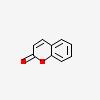 3D/inchi 3D/inchi
|
| ECHA EINECS - REACH Pre-Reg: | 202-086-7 | |
| FDA UNII: | A4VZ22K1WT | |
| Nikkaji Web: | J3.218B | |
| Beilstein Number: | 0383644 | |
| MDL: | MFCD00006850 | |
| XlogP3: | 1.40 (est) | |
| Molecular Weight: | 146.14522000 | |
| Formula: | C9 H6 O2 | |
| BioActivity Summary: | listing | |
| NMR Predictor: | Predict (works with chrome, Edge or firefox) | |
Category: fragrance agents
US / EU / FDA / JECFA / FEMA / FLAVIS / Scholar / Patent Information:
| Google Scholar: | Search |
| Google Books: | Search |
| Google Scholar: with word "volatile" | Search |
| Google Scholar: with word "flavor" | Search |
| Google Scholar: with word "odor" | Search |
| Perfumer and Flavorist: | Search |
| Google Patents: | Search |
| US Patents: | Search |
| EU Patents: | Search |
| Pubchem Patents: | Search |
| PubMed: | Search |
| NCBI: | Search |
| FDA Mainterm (SATF): | 91-64-5 ; COUMARIN--PROHIBITED |
| FDA Regulation: | |
| FDA PART 189 -- SUBSTANCES PROHIBITED FROM USE IN HUMAN FOOD Subpart C--Substances Generally Prohibited From Direct Addition or Use as Human Food Sec. 189.130 Coumarin. | |
Physical Properties:
| Appearance: | white crystals (est) |
| Assay: | 99.00 to 100.00 % |
| Food Chemicals Codex Listed: | No |
| Melting Point: | 68.00 to 74.00 °C. @ 760.00 mm Hg |
| Boiling Point: | 297.00 to 301.00 °C. @ 760.00 mm Hg |
| Boiling Point: | 161.00 to 162.00 °C. @ 14.00 mm Hg |
| Congealing Point: | 68.00 °C. |
| Vapor Pressure: | 0.100000 mmHg @ 20.00 °C. |
| Vapor Density: | 5.1 ( Air = 1 ) |
| Flash Point: | > 200.00 °F. TCC ( > 93.00 °C. ) |
| logP (o/w): | 1.390 |
| Shelf Life: | 24.00 month(s) or longer if stored properly. |
| Storage: | store in cool, dry place in tightly sealed containers, protected from heat and light. |
| Soluble in: | |
| alcohol | |
| kerosene | |
| paraffin oil | |
| water, 1900 mg/L @ 20 °C (exp) | |
| Insoluble in: | |
| water | |
| isopropyl myristate | |
| Stability: | |
| non-discoloring | |
| Similar Items: note | |
| 6-amyl-alpha-pyrone | |
| 4,6-dimethyl-alpha-pyrone | |
| (±)-dihydromint lactone | |
| tonka ketone | |
| tonka furanone | |
| gamma-hexalactone | |
| tonkavert | |
Organoleptic Properties:
| Odor Type: tonka | |
| Odor Strength: | medium , recommend smelling in a 10.00 % solution or less |
| Substantivity: | 364 hour(s) at 10.00 % in dipropylene glycol |
| sweet hay tonka hay new mown hay coumarinic | |
| Odor Description: at 10.00 % in dipropylene glycol. | sweet hay tonka new mown hay Luebke, William tgsc, (1982) |
| Odor and/or flavor descriptions from others (if found). | |
| Moellhausen | |
| COUMARINE | |
| Odor Description: | sweet, stinging, coconut note |
| Pell Wall Perfumes | |
| Coumarin | |
| Odor Description: | Sweet, hay, tonka, new-mown-hay Arctander describes it as “Sweet, herbaceous-warm, somewhat spicy odor, in extreme dilution more haylike, nut- Iike, tobacco-like… Extensively used in perfumery to support herbaccous odors, Lavender, Lavandin, Rosemary, Citrus oils, Oakmoss, etc., and as a fixative in numerous types of fragrances; Almost a standard ingredient in Fougère types with Amylsalicylate and Lavender-notes, with or without Oakmoss.” |
Cosmetic Information:
| CosIng: | cosmetic data |
| Cosmetic Uses: |
perfuming agents |
Suppliers:
Safety Information:
| Preferred SDS: View | |
| European information : | |
| Most important hazard(s): | |
| Xn - Harmful. | |
|
R 22 - Harmful if swallowed. R 43 - May cause sensitisation by skin contact. S 02 - Keep out of the reach of children. S 20/21 - When using do not eat, drink or smoke. S 24/25 - Avoid contact with skin and eyes. S 26 - In case of contact with eyes, rinse immediately with plenty of water and seek medical advice. S 37/39 - Wear suitable gloves and eye/face protection. | |
| Hazards identification | |
| Classification of the substance or mixture | |
| GHS Classification in accordance with 29 CFR 1910 (OSHA HCS) | |
| Acute toxicity, Oral (Category 3), H301 Acute aquatic toxicity (Category 3), H402 Chronic aquatic toxicity (Category 3), H412 | |
| GHS Label elements, including precautionary statements | |
| Pictogram |  |
| Signal word | Danger |
| Hazard statement(s) | |
| H301 - Toxic if swallowed H402 - Harmful to aquatic life H412 - Harmful to aquatic life with long lasting effects | |
| Precautionary statement(s) | |
| P264 - Wash skin thouroughly after handling. P270 - Do not eat, drink or smoke when using this product. P273 - Avoid release to the environment. P301 + P310 - IF SWALLOWED: Immediately call a POISON CENTER or doctor/physician. P321 - Specific treatment (see supplemental first aid instructions on this label). P330 - Rinse mouth. P405 - Store locked up. P501 - Dispose of contents/ container to an approved waste disposal plant. | |
| Oral/Parenteral Toxicity: | |
|
oral-rat LD50 293 mg/kg Food and Cosmetics Toxicology. Vol. 12, Pg. 385, 1974. oral-mouse LD50 196 mg/kg Yakugaku Zasshi. Journal of Pharmacy. Vol. 83, Pg. 1124, 1963. intraperitoneal-mouse LD50 220 mg/kg BEHAVIORAL: ANALGESIA Arzneimittel-Forschung. Drug Research. Vol. 15, Pg. 897, 1965. oral-guinea pig LD50 202 mg/kg LIVER: OTHER CHANGES BEHAVIORAL: SOMNOLENCE (GENERAL DEPRESSED ACTIVITY) Food and Cosmetics Toxicology. Vol. 2, Pg. 327, 1964. oral-man TDLo 87 mg/kg/17W-I LIVER: LIVER FUNCTION TESTS IMPAIRED Human Toxicology. Vol. 8, Pg. 501, 1989. | |
| Dermal Toxicity: | |
|
subcutaneous-mouse LD50 242 mg/kg Yakugaku Zasshi. Journal of Pharmacy. Vol. 83, Pg. 1124, 1963. | |
| Inhalation Toxicity: | |
| Not determined | |
Safety in Use Information:
| Category: | fragrance agents | ||
| RIFM Fragrance Material Safety Assessment: Search | |||
| IFRA Code of Practice Notification of the 49th Amendment to the IFRA Code of Practice | |||
| IFRA Critical Effect: | Dermal sensitization and systemic toxicity | ||
| IFRA: | View Standard | ||
| View IFRA Standards Library for complete information. | |||
| Please review Amendment 49 IFRA documentation for complete information. | |||
| IFRA RESTRICTION LIMITS IN THE FINISHED PRODUCT (%): | |||
| Category 1: Products applied to the lips | |||
| 0.089 % | |||
| Category 2: Products applied to the axillae | |||
| 0.080 % | |||
| Category 3: Products applied to the face/body using fingertips | |||
| 0.089 % | |||
| Category 4: Products related to fine fragrance | |||
| 1.50 % | |||
| Category 5: Products applied to the face and body using the hands (palms), primarily leave-on | |||
| Category 5A: Body lotion products applied to the body using the hands (palms), primarily leave-on | |||
| 0.38 % | |||
| Category 5B: Face moisturizer products applied to the face using the hands (palms), primarily leave-on | |||
| 0.11 % | |||
| Category 5C: Hand cream products applied to the hands using the hands (palms), primarily leave-on | |||
| 0.16 % | |||
| Category 5D: Baby Creams, baby Oils and baby talc | |||
| 0.035 % | |||
| Category 6: Products with oral and lip exposure | |||
| 0.0024 % | |||
| Category 7: Products applied to the hair with some hand contact | |||
| Category 7A: Rinse-off products applied to the hair with some hand contact | |||
| 0.18 % | |||
| Category 7B: Leave-on products applied to the hair with some hand contact | |||
| 0.18 % | |||
| Category 8: Products with significant anogenital exposure | |||
| 0.035 % | |||
| Category 9: Products with body and hand exposure, primarily rinse off | |||
| 0.52 % | |||
| Category 10: Household care products with mostly hand contact | |||
| Category 10A: Household care excluding aerosol products (excluding aerosol/spray products) | |||
| 0.52 % | |||
| Category 10B: Household aerosol/spray products | |||
| 1.60 % | |||
| Category 11: Products with intended skin contact but minimal transfer of fragrance to skin from inert substrate | |||
| Category 11A: Products with intended skin contact but minimal transfer of fragrance to skin from inert substrate without UV exposure | |||
| 0.035 % | |||
| Category 11B: Products with intended skin contact but minimal transfer of fragrance to skin from inert substrate with potential UV exposure | |||
| 0.035 % | |||
| Category 12: Products not intended for direct skin contact, minimal or insignificant transfer to skin | |||
| 33.00 % | |||
| Notes: | |||
| IFRA FLAVOR REQUIREMENTS: | |||
Due to the possible ingestion of small amounts of fragrance ingredients from their use in products in Categories 1 and 6, materials must not only comply with IFRA Standards but must also be recognized as safe as a flavoring ingredient as defined by the IOFI Code of Practice (www.iofi.org). For more details see chapter 1 of the Guidance for the use of IFRA Standards. | |||
| Recommendation for coumarin flavor usage levels up to: | |||
| not for flavor use. | |||
Safety References:
| European Food Safety Authority (EFSA) reference(s): | |
| Opinion of the Scientific Panel on food additives, flavourings, processing aids and materials in contact with food (AFC) related to Coumarin. View page or View pdf | |
| Coumarin in flavourings and other food ingredients with flavouring properties - Scientific Opinion of the Panel on Food Additives, Flavourings, Processing Aids and Materials in Contact with Food (AFC) View page or View pdf | |
| EPI System: | View |
| NIOSH International Chemical Safety Cards: | search |
| Chemical Carcinogenesis Research Information System: | Search |
| AIDS Citations: | Search |
| Cancer Citations: | Search |
| Toxicology Citations: | Search |
| Carcinogenic Potency Database: | Search |
| EPA GENetic TOXicology: | Search |
| EPA Substance Registry Services (TSCA): | 91-64-5 |
| EPA ACToR: | Toxicology Data |
| EPA Substance Registry Services (SRS): | Registry |
| Laboratory Chemical Safety Summary : | 323 |
| National Institute of Allergy and Infectious Diseases: | Data |
| SCCNFP: | opinion |
| WISER: | UN 2811 |
| WGK Germany: | 1 |
| chromen-2-one | |
| Chemidplus: | 0000091645 |
| EPA/NOAA CAMEO: | hazardous materials |
| RTECS: | 91-64-5 |
References:
| chromen-2-one | |
| NIST Chemistry WebBook: | Search Inchi |
| Canada Domestic Sub. List: | 91-64-5 |
| Pubchem (cid): | 323 |
| Pubchem (sid): | 134971583 |
| Flavornet: | 91-64-5 |
| Pherobase: | View |
Other Information:
| (IUPAC): | Atomic Weights of the Elements 2011 (pdf) |
| Videos: | The Periodic Table of Videos |
| tgsc: | Atomic Weights use for this web site |
| (IUPAC): | Periodic Table of the Elements |
| FDA Substances Added to Food (formerly EAFUS): | View |
| CHEBI: | View |
| CHEMBL: | View |
| Golm Metabolome Database: | Search |
| Metabolomics Database: | Search |
| KEGG (GenomeNet): | C05851 |
| HMDB (The Human Metabolome Database): | HMDB01218 |
| FooDB: | FDB011938 |
| Export Tariff Code: | 2932.21.0000 |
| Typical G.C. | |
| VCF-Online: | VCF Volatile Compounds in Food |
| ChemSpider: | View |
| Wikipedia: | View |
Potential Blenders and core components note
Potential Uses:
Occurrence (nature, food, other): note
| anise seed Search Trop Picture | |
| apple custard apple plant Search Trop Picture | |
| barley plant Search Trop Picture | |
| bergamot oil @ trace% Data GC Search Trop Picture | |
| bilberry fruit - 0.0005 mg/kg Search Trop Picture | |
| cacao bean Search Trop Picture | |
| caper plant Search Trop Picture | |
| carrot root Search Trop Picture | |
| cassia bark Search Trop Picture | |
| cassia leaf oil - up to 83,300 mg /kg Search Trop Picture | |
| celery seed Search Trop Picture | |
| champaca concrete @ 0.01% Data GC Search Trop Picture | |
| cherry sour cherry plant Search Trop Picture | |
| chicory plant Search Trop Picture | |
| cichorium intybus l. root extract @ 0.20% Data GC Search Trop Picture | |
| cinnamon bark oil - 7000 mg/kg Search Trop Picture | |
| cinnamon bark oil (cinnamomum zeylanicum blume) india @ 0.41% Data GC Search Trop Picture | |
| cinnamon ceylon cinnamon bark Search Trop Picture | |
| cinnamon ceylon cinnamon leaf oil Search Trop Picture | |
| cinnamon ceylon cinnamon stem bark Search Trop Picture | |
| cinnamon leaf oil - 40,600 mg/kg Search Trop Picture | |
| cinnamon twig oil @ 0.32% Data GC Search Trop Picture | |
| clover yellow sweet clover Search Trop Picture | |
| cocoa bean Search Trop Picture | |
| date palm leaf Search Trop Picture | |
| dill seed Search Trop Picture | |
| fenugreek plant Search Trop Picture | |
| fenugreek seed Search Trop Picture | |
| fig leaf Search Trop Picture | |
| grape fruit Search Trop Picture | |
| honey buckwheat honey PbMd Search PMC Picture | |
| lavandin absolute grosso @ 7.70% Data GC Search Trop Picture | |
| lavandin water (lavandula hydrida) @ 0.08% Data GC Search Trop Picture | |
| lavender oil - 20 mg/kg Search Trop Picture | |
| lavender spike water @ 0.06% Data GC Search Trop Picture | |
| lavender water bulgaria @ 0.19% Data GC Search Trop Picture | |
| lemon plant Search Trop Picture | |
| lovage root Search Trop Picture | |
| mugwort plant Search Trop Picture | |
| peppermint leaf Search Trop Picture | |
| peppermint oil - 20 mg/kg Search Trop Picture | |
| purslane plant Search Trop Picture | |
| tarragon plant Search Trop Picture | |
| tea green tea - 1.2 – 1.7 mg/kg Search Trop Picture | |
| thyme oil Search Trop Picture | |
| tonka bean Search Trop Picture | |
| wormwood wild wormwood plant Search Trop Picture |
Synonyms:
| benzo-alpha-pyrone | |
| 2H- | benzo(b)pyran-2-one |
| 2H- | benzo[b]pyran-2-one |
| 2-oxo-1,2- | benzopyran |
| 2-oxo-2H-1- | benzopyran |
| o-oxo-1,2- | benzopyran |
| ortho-oxo-1,2- | benzopyran |
| 1- | benzopyran-2-one |
| 2H- | benzopyran-2-one |
| 2H-1- | benzopyran-2-one |
| 2H-1- | benzopyran, 2-oxo- |
| 1,2- | benzopyrone |
| chromen-2-one | |
| 2H- | chromen-2-one |
| chromenone | |
| cis-o- | coumaric acid anhydride |
| coumarin (ex tonka beans) | |
| coumarin crystals | |
| coumarin natural | |
| coumarin powder 60 mesh | |
| coumarin, chinese | |
| coumarin, japan | |
| coumarine | |
| coumarine ( ex china ) | |
| coumarine rhodiantal | |
| (Z)-o- | coumarinic acid lactone |
| (Z)-ortho- | coumarinic acid lactone |
| coumarinic anhydride | |
| coumarinic lactone | |
| cumarin | |
| o- | hydroxycinnamic acid delta-lactone |
| ortho- | hydroxycinnamic acid delta-lactone |
| o- | hydroxycinnamic acid lactone |
| ortho- | hydroxycinnamic acid lactone |
| o- | hydroxycinnamic lactone |
| ortho- | hydroxycinnamic lactone |
| 3-(2- | hydroxyphenyl)-2-propenoic d-lactone |
| 3-(2- | hydroxyphenyl)-delta-lactone |
| 2- | propenoic acid, 3-(2-hydroxyphenyl)-, d-lactone |
| 2- | propenoic acid, 3-(2-hydroxyphenyl)-d-lactone |
| tonka bean camphor |