
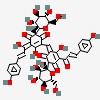
 3D/inchi
Articles:
| None found yet. Try the PubMed Search. |
| carthamus red
natural red 26 | |||||||||||||||||||||||||||||||||||||||||||||||||||||||||||||||||||||||||||||||||||||||||||||||||||||||||||||||||||||||||||||||||||||||||||||||||||||||||||||||||||||||||||||||||||||||||||||||||||||||||||||||||||||||||||||||||||||||||||
Notes: Composed of two chalcones; from Carthamus tinctorius; the conjugated bonds cause a red color; derived from precarthamin by a decarboxylase; do not confuse with carthamidin.composed of two chalcones; from carthamus tinctorius; the conjugated bonds cause a red color; derived from precarthamin by a decarboxylase; do not confuse with carthamidin. Red pigment of flower petals of Carthamus tinctorius (safflower)
Carthamin is a natural red pigment derived from safflower (Carthamus tinctorius), earlier known as carthamine. It is used as a dye and a food coloring. As a food additive, it is known as Natural Red 26.
| |||||||||||||||||||||||||||||||||||||||||||||||||||||||||||||||||||||||||||||||||||||||||||||||||||||||||||||||||||||||||||||||||||||||||||||||||||||||||||||||||||||||||||||||||||||||||||||||||||||||||||||||||||||||||||||||||||||||||||
| |||||||||||||||||||||||||||||||||||||||||||||||||||||||||||||||||||||||||||||||||||||||||||||||||||||||||||||||||||||||||||||||||||||||||||||||||||||||||||||||||||||||||||||||||||||||||||||||||||||||||||||||||||||||||||||||||||||||||||
Category: coloring agents
US / EU / FDA / JECFA / FEMA / FLAVIS / Scholar / Patent Information:
Physical Properties:
Organoleptic Properties:
Cosmetic Information:
Suppliers:
Safety Information:
Safety in Use Information:
Safety References:
References:
Other Information:
Potential Blenders and core components note
Potential Uses:
Occurrence (nature, food, other): note
Synonyms:
Articles:
| |||||||||||||||||||||||||||||||||||||||||||||||||||||||||||||||||||||||||||||||||||||||||||||||||||||||||||||||||||||||||||||||||||||||||||||||||||||||||||||||||||||||||||||||||||||||||||||||||||||||||||||||||||||||||||||||||||||||||||