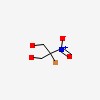
2-bromo-2-nitro-1,3-propane diol
2-nitro-2-bromo-1,3-propanediol
 
Notes:
nitrosating reagent for diethanolamine.

  • BOC Sciences
    • BOC Sciences
      Best of Chemicals Supplier
      Quality supplier of research chemicals and biochemicals including inhibitors, building blocks, GMP Products, impurities and metabolites, APIs for Veterinary, Natural Compounds, ADCs, Stem Cell Molecule and chiral compounds.
      BOC Sciences provides a wide range of services to support the pharmaceutical industry through all stages of drug discovery including Custom Synthesis of those chemicals that are not in stock, Isotope Labeling Service, Chiral Synthesis and Resolution, Bioconjugation, PEGylation services, analytical services.
      BOC Sciences is a brand of BOCSCI Inc. We leverage our wide spectrum of business in the fields of development, manufacturing, marketing, and distribution to help you make best-informed decisions tailored to your evolving needs for premium chemicals. Our complete suite of CRO services spans the entire molecule development pipeline including contract research for target identification, building blocks, compound synthesis, biochemical and cellular analysis, preclinical animal tests, and clinical studies.
      Email: Marketing
      US Email: Marketing
      Email: Sales
      US Email: Sales
      Voice: 1-631-485-4226
      Fax: 1-631-614-7828
      US Voice: 1-631-485-4226
      US Fax: 1-631-614-7828
      Europe44-203-286-1088
      Facebook
      Twitter
      Linkedin
      Blog
      Get the App!
      Product(s):
      52-51-7 Bronopol ≥98%
      Bronopol is an organic compound that is used as an antimicrobial with low mammalian toxicity and high activity. Antimicrobial
       
       
  • ECSA Chemicals
    • ECSA Chemicals
      Human Chemistry
      ECSA Chemicals has been active since 1913 in the trading and international commerce of raw materials. With an organisation divided into industrial segments managed by specialists, it has become one of the largest distributors worldwide.
      ECSA Chemicals is the largest Swiss-owned company in terms of warehouses for the distribution of chemical products. We have been distributing chemical products for over 100 years and we have a special interest in protecting the environment and in the safety of our facilities and collaborators.
      Established in 1913 as a small grocery store, in its over 100 years of activity ECSA Chemicals has become one of the most important Swiss-owned distributors of chemical products. The company, which is active in international distribution and trading, is organised into industrial segments that are managed by teams of specialists and experts. They guarantee professional and customised consultancy and services. With our experience, we can rapidly and safely connect you with the best suppliers on the market, providing you with a complete search, consulting and assistance service. The focus of our approach and operations is you, our customers. We strive every day to find the best products that satisfy your needs as quickly as possible. Your satisfaction is our greatest success. WHY CHOOSE ECSA? EXPERIENCE We have been working for 100 years. QUALITY We have obtained many certifications (ISO, SQAS, GDP, Responsible Care, Bio-Inspecta, RSPO, etc.). We guarantee full compliance with the current laws and continuous training for our staff. SAFETY We constantly carry out risk analyses for each infrastructure, defining safety levels and implementing corrective measures promptly wherever they are needed. WIDESPREAD DISTRIBUTION We have warehouses in strategic locations to supply goods to Switzerland and to the rest of the world. STORAGE CAPACITY The 3 ECSA-owned warehouses guarantee considerable storage area and capacity in each warehouse, with full availability of products (base chemicals and speciality chemicals). SPEED Presence all over the country, staff dedicated to sourcing raw materials and considerable storage capacity guarantee that goods are rapidly obtained and supplied. CONSULTANCY Our specialists - in-depth knowledge of the market and products allows us to provide full consulting services, from the purchase to the supply of raw materials.
      Email: Info
      Email: Sales
      Email: Trading
      Email: Maintenance
      Email: Energy
      Voice: +41 91 695 88 00
      Fax: +41 91 695 88 01
      Linkedin
      Youtube
      RSS Feed
      ECSA Trade
      ECSA TRADE THE MOST UPDATED FINANCIAL PUBLICATION ON THE WORLD OF CHEMISTRY
      Products List: View
      Product(s):
      MP-001290 BRONOPOL
       
  • Glentham Life Sciences
  • Penta International
    • Penta International Corporation
      Chemistry innovation
      At Penta, our products and services help businesses do business better.
      For over 30 years, Penta Manufacturing Company has played a growing role in worldwide chemistry innovations and applications. As an industry leader, Penta continues to pioneer chemistry-based solutions for practically every area of commerce. Our products and expertise have helped fuel technical advances in dozens of commercial applications including flavoring, coloring, fragrances and chemical processes.
      US Email: Technical Services
      US Email: Sales
      US Voice: (973) 740-2300
      US Fax: (973) 740-1839
      Product(s):
      02-39900 2-BROMO-2-NITRO-1,3-PROPANEDIOL
       
  • TCI AMERICA
    • TCI AMERICA
      Moving Your Chemistry Forward
      We continuously strive to advance our technology.
      With East & West Coast distribution centers, count on TCI to deliver products quickly and reliably. Over 30,000 Reagents available today in benchtop to bulk quantities. We also offer custom synthesis solutions. Sign up for a TCI account today for fast and free shipping!
      Tokyo Chemical Industry Co., Ltd. (TCI) is a leading worldwide manufacturer of specialty organic chemicals founded in 1946. TCI provides organic laboratory chemicals as well as pharmaceutical, cosmetic and functional materials. More than 70 years of synthesis experience and multi-purpose plants enable TCI to offer more than 30,000 products as well as custom synthesis.
      US Email: Sales
      Email: Technical Support
      Voice: 1-800-423-8616
      Fax: 1- 888-520-1075
      Facebook
      Twitter
      Instagram
      Linkedin
      Product(s):
      B1247 2-Bromo-2-nitro-1,3-propanediol >98.0%(T)
       
Synonyms   Articles   Notes   Search
CAS Number: 52-51-7Picture of molecule3D/inchi
Other(deleted CASRN): 133248-96-1
ECHA EINECS - REACH Pre-Reg: 200-143-0
FDA UNII: 6PU1E16C9W
Nikkaji Web: J1.911I
Beilstein Number: 1705868
MDL: MFCD00007390
XlogP3-AA: -0.60 (est)
Molecular Weight: 199.98862000
Formula: C3 H6 Br N O4
NMR Predictor: Predict (works with chrome or firefox)
Category: indirect food additives: adhesives and components of coatings
 
US / EU / FDA / JECFA / FEMA / FLAVIS / Scholar / Patent Information:
Google Scholar: Search
Google Books: Search
Google Scholar: with word "volatile"Search
Google Scholar: with word "flavor"Search
Google Scholar: with word "odor"Search
Google Patents: Search
US Patents: Search
EU Patents: Search
Pubchem Patents: Search
PubMed: Search
NCBI: Search
 FDA/DG SANTE Petitions, Reviews, Notices:
FCN 407 2-Bromo-2-nitro-1,3-propanediol View - notice
FCN 810 2-Bromo-2-nitro-1,3-propanediol View - notice
FDA Mainterm (IAUFC):52-51-7 ; 2-BROMO-2-NITRO-1,3-PROPANEDIOL
FDA Regulation:
FDA PART 175 -- INDIRECT FOOD ADDITIVES: ADHESIVES AND COMPONENTS OF COATINGS
Subpart B--Substances for Use Only as Components of Adhesives
Sec. 175.105 Adhesives.
Synonyms   Articles   Notes   Search   Top
Physical Properties:
Appearance: white crystalline (est)
Assay: 95.00 to 100.00 % 
Food Chemicals Codex Listed: No
Melting Point: 131.50 °C. @ 760.00 mm Hg
Boiling Point: 358.00 to  359.00 °C. @ 760.00 mm Hg (est)
Flash Point: 339.00 °F. TCC ( 170.30 °C. ) (est)
logP (o/w): 1.150 (est)
Soluble in:
 water, 2.50E+05 mg/L @ 22 °C (exp)
Synonyms   Articles   Notes   Search   Top
Organoleptic Properties:
 
Odor and/or flavor descriptions from others (if found).
 
 
Synonyms   Articles   Notes   Search   Top
Cosmetic Information:
CosIng: cosmetic data
Cosmetic Uses: preservatives
Synonyms   Articles   Notes   Search   Top
Suppliers:
BOC Sciences
For experimental / research use only.
Bronopol ≥98%
Odor: characteristic
Use: Bronopol is an organic compound that is used as an antimicrobial with low mammalian toxicity and high activity. Antimicrobial
Connect Chemicals
2-Bromo-2-Nitropropane-1,3-diol (Bronopol)
Covalent Chemical
Bronopol
ECSA Chemicals
BRONOPOL
ECSA TRADE THE MOST UPDATED FINANCIAL PUBLICATION ON THE WORLD OF CHEMISTRY
Glentham Life Sciences
2-Bromo-2-nitro-1,3-propanediol
Kingyoung Bio Technical
2-Bromo-2-Nitropropane-1,3-Diol
Nanjing Jiancheng Chemical
Bronopol
Odor: characteristic
Use: Bronopol is widely used in Industrial Circulating Water, papermaking, painting, plastic and cooling water recirculation system. It can be add into the shampoo, conditioner, cream, shower gel and other cosmetics as well as the detergent and fabric treatment.
Penta International
2-BROMO-2-NITRO-1,3-PROPANEDIOL
Shiva Chemicals and Pharmaceuticals
BRONOPOL
Sigma-Aldrich: Aldrich
For experimental / research use only.
2-Bromo-2-nitro-1,3-propanediol 98%
TCI AMERICA
For experimental / research use only.
2-Bromo-2-nitro-1,3-propanediol >98.0%(T)
Universal Preserv-A-Chem Inc.
2-bromo-2-Nitropropane-1(and) 3-Diol
Odor: characteristic
Use: The use of bronopol in personal care products (cosmetics, toiletries) has declined since the late 1980s due to the potential formation of nitrosamines.
Synonyms   Articles   Notes   Search   Top
Safety Information:
Preferred SDS: View
 
Hazards identification
 
Classification of the substance or mixture
GHS Classification in accordance with 29 CFR 1910 (OSHA HCS)
None found.
GHS Label elements, including precautionary statements
 
Pictogram
 
Hazard statement(s)
None found.
Precautionary statement(s)
None found.
Oral/Parenteral Toxicity:
oral-rat LD50  180 mg/kg
"Pesticide Index," Frear, E.H., ed., State College, PA, College Science Pub., 1969Vol. 5, Pg. 30, 1976.

intravenous-rat LD50  37.40 mg/kg
Iyakuhin Kenkyu. Study of Medical Supplies. Vol. 8, Pg. 680, 1977.

intraperitoneal-rat LD50  26 mg/kg
Journal of the Society of Cosmetic Chemists. Vol. 29, Pg. 3, 1978.

oral-mouse LD50  270 mg/kg
Pesticide Manual. Vol. 9, Pg. 103, 1991.

intravenous-mouse LD50  48 mg/kg
Iyakuhin Kenkyu. Study of Medical Supplies. Vol. 8, Pg. 680, 1977.

intraperitoneal-mouse LD50  15.50 mg/kg
Khimiko-Farmatsevticheskii Zhurnal. Chemical Pharmaceutical Journal. For English translation, see PCJOAU. Vol. 11(1), Pg. 73, 1977.

oral-dog LD50  250 mg/kg
"Pesticide Index," Frear, E.H., ed., State College, PA, College Science Pub., 1969Vol. 5, Pg. 30, 1976.

intraperitoneal-mouse LD50  15500 ug/kg
Khimiko-Farmatsevticheskii Zhurnal. Chemical Pharmaceutical Journal. For English translation, see PCJOAU. Vol. 11(1), Pg. 73, 1977.

intravenous-rat LD50  37400 ug/kg
Iyakuhin Kenkyu. Study of Medical Supplies. Vol. 8, Pg. 680, 1977.

Dermal Toxicity:
subcutaneous-rat LD50 170 mg/kg
SKIN AND APPENDAGES (SKIN): HAIR: OTHER BEHAVIORAL: SOMNOLENCE (GENERAL DEPRESSED ACTIVITY)
Kiso to Rinsho. Clinical Report. Vol. 8, Pg. 1029, 1974.

skin-rat LD50 1600 mg/kg
"Agrochemicals Handbook," with updates, Hartley, D., and H. Kidd, eds., Nottingham, Royal Soc of Chemistry, 1983-86Vol. A542, Pg. 1984.

subcutaneous-mouse LD50 116 mg/kg
Iyakuhin Kenkyu. Study of Medical Supplies. Vol. 8, Pg. 680, 1977.

skin-mouse LD50 4750 mg/kg
Iyakuhin Kenkyu. Study of Medical Supplies. Vol. 8, Pg. 680, 1977.

Inhalation Toxicity:
inhalation-rat LC50 > 5000 mg/m3
Pesticide Manual. Vol. 9, Pg. 103, 1991.

inhalation-rat LC50 > 5000 mg/m3/6H
Pesticide Manual. Vol. 9, Pg. 103, 1991.

Synonyms   Articles   Notes   Search   Top
Safety in Use Information:
Category: indirect food additives: adhesives and components of coatings
Recommendation for 2-bromo-2-nitro-1,3-propane diol usage levels up to:
 not for fragrance use.
 
Recommendation for 2-bromo-2-nitro-1,3-propane diol flavor usage levels up to:
 not for flavor use.
Synonyms   Articles   Notes   Search   Top
Safety References:
EPI System: View
ClinicalTrials.gov: search
Daily Med: search
NIOSH International Chemical Safety Cards: search
AIDS Citations: Search
Cancer Citations: Search
Toxicology Citations: Search
EPA Substance Registry Services (TSCA): 52-51-7
EPA ACToR: Toxicology Data
EPA Substance Registry Services (SRS): Registry
Laboratory Chemical Safety Summary : 2450
National Institute of Allergy and Infectious Diseases: Data
WGK Germany: 2
 2-bromo-2-nitropropane-1,3-diol
Chemidplus: 0000052517
EPA/NOAA CAMEO: hazardous materials
RTECS: 52-51-7
Synonyms   Articles   Notes   Search   Top
References:
 2-bromo-2-nitropropane-1,3-diol
NIST Chemistry WebBook: Search Inchi
Canada Domestic Sub. List: 52-51-7
Pubchem (cid): 2450
Pubchem (sid): 134970525
Synonyms   Articles   Notes   Search   Top
Other Information:
(IUPAC): Atomic Weights of the Elements 2011 (pdf)
Videos: The Periodic Table of Videos
tgsc: Atomic Weights use for this web site
(IUPAC): Periodic Table of the Elements
FDA Indirect Additives used in Food Contact Substances:View
CHEBI: View
CHEMBL: View
KEGG (GenomeNet): C13034
HMDB (The Human Metabolome Database): Search
Export Tariff Code: 2905.59.9000
ChemSpider: View
Wikipedia: View
Formulations/Preparations:
•trade name: onyxide 500 •formulation types registered: pelletedtableted, crystalline, soluble concentrateliquid, soluble concentratesolid. •tradename: bronotak •powder for dry application.
Synonyms   Articles   Notes   Search   Top
Potential Blenders and core components note
 
None Found
 
Synonyms   Articles   Notes   Search   Top
Potential Uses:
 preservatives 
Synonyms   Articles   Notes   Search   Top
Occurrence (nature, food, other): note
 not found in nature
Synonyms   Articles   Notes   Search   Top
Synonyms:
2-brom-2-nitro-1,3-propandiol
2-brom-2-nitropropan-1,3-diol
2-bromo-2-nitro-1,3-propanediol
2-bromo-2-nitropropane -1.3-diol
2-bromo-2-nitropropane-1,3-diol
 bronocot
 bronopol
 bronosol
2-nitro-2-bromo-1,3-propanediol
 onyxide 500
1,3-propanediol, 2-bromo-2-nitro-
Synonyms   Articles   Notes   Search   Top
Articles:
PubMed: Molecular identification of a bronopol tolerant strain of Saprolegnia australis causing egg and fry mortality in farmed brown trout, Salmo trutta.
PubMed: Occupational contact dermatitis in blue-collar workers: results from a multicentre study from the Danish Contact Dermatitis Group (2003-2012).
PubMed: HaCaT Keratinocytes Response on Antimicrobial Atelocollagen Substrates: Extent of Cytotoxicity, Cell Viability and Proliferation.
PubMed: Pharmacologic alternatives to riboflavin photochemical corneal cross-linking: a comparison study of cell toxicity thresholds.
PubMed: Combination treatment against scuticociliatosis by reducing the inhibitor effect of mucus in olive flounder, Paralichthys olivaceus.
PubMed: Contact sensitivity to preservatives in Singapore: frequency of sensitization to 11 common preservatives 2006-2011.
PubMed: Trends in patch-test results and allergen changes in the standard series: a Mayo Clinic 5-year retrospective review (January 1, 2006, to December 31, 2010).
PubMed: Cutaneous delayed-type hypersensitivity in patients with atopic dermatitis: reactivity to topical preservatives.
PubMed: Detection and enumeration of Staphylococcus aureus from bovine milk samples by real-time polymerase chain reaction.
PubMed: In vitro and in vivo efficacy of drugs against the protozoan parasite Azumiobodo hoyamushi that causes soft tunic syndrome in the edible ascidian Halocynthia roretzi (Drasche).
PubMed: North American Contact Dermatitis Group patch test results: 2009 to 2010.
PubMed: Frequency of positive patch test reactions to preservatives: The Australian experience.
PubMed: Fungi, bacteria and soil pH: the oxalate-carbonate pathway as a model for metabolic interaction.
PubMed: The impact of the various chemical and physical factors on the degradation rate of bronopol.
PubMed: Effects of long duration, low dose bronopol exposure on the control of Ichthyophthirius multifiliis (Ciliophora), parasitising rainbow trout (Oncorhynchus mykiss Walbaum).
PubMed: The anti-protozoal activity of bronopol on the key life-stages of Ichthyophthirius multifiliis Fouquet, 1876 (Ciliophora).
PubMed: An assessment of the use of drug and non-drug interventions in the treatment of Ichthyophthirius multifiliis Fouquet, 1876, a protozoan parasite of freshwater fish.
PubMed: Evidence for chemical and cellular reactivities of the formaldehyde releaser bronopol, independent of formaldehyde release.
PubMed: Non-fragrance allergens in specific cosmetic products.
PubMed: Preparation of active antibacterial LDPE surface through multistep physicochemical approach: I. Allylamine grafting, attachment of antibacterial agent and antibacterial activity assessment.
PubMed: Effects of different storage conditions, the farm and the stage of lactation on renneting parameters of goat milk investigated using the Formagraph method.
PubMed: Patch testing with formaldehyde and formaldehyde-releasers: multicentre study in Spain (2005-2009).
PubMed: Risk of sensitization to preservatives estimated on the basis of patch test data and exposure, according to a sample of 3541 leave-on products.
PubMed: Patch testing is a useful investigation in children with eczema.
PubMed: Suitability of bronopol preservative treated milk for fatty acid determination.
PubMed: Contact allergy to preservatives. Analysis of IVDK data 1996-2009.
PubMed: Effect of preservatives on the accuracy of mid-infrared milk component testing.
PubMed: Toxicity profile of labile preservative bronopol in water: the role of more persistent and toxic transformation products.
PubMed: Preservatives in cosmetics: reactivity of allergenic formaldehyde-releasers towards amino acids through breakdown products other than formaldehyde.
PubMed: Viability of Mycoplasma agalactiae and Mycoplasma mycoides subsp. capri in goat milk samples stored under different conditions.
PubMed: Formaldehyde-releasers in cosmetics in the USA and in Europe.
PubMed: Positivity ratio and reaction index: patch-test quality-control metrics applied to the north american contact dermatitis group database.
PubMed: An in vitro bacterial adhesion assessment of surface-modified medical-grade PVC.
PubMed: Formaldehyde-releasers in cosmetics: relationship to formaldehyde contact allergy. Part 2. Patch test relationship to formaldehyde contact allergy, experimental provocation tests, amount of formaldehyde released, and assessment of risk to consumers allergic to formaldehyde.
PubMed: Formaldehyde-releasers in cosmetics: relationship to formaldehyde contact allergy. Part 1. Characterization, frequency and relevance of sensitization, and frequency of use in cosmetics.
PubMed: Toxicity of fungicides to natural bacterial communities in wetland water and sediment measured using leucine incorporation and potential denitrification.
PubMed: Short communication: effect of storage and preservation on total bacterial counts determined by automated flow cytometry in bulk tank goat milk.
PubMed: Patch-test results of the North American Contact Dermatitis Group 2005-2006.
PubMed: Reproducibility and repeatability of measures of milk coagulation properties and predictive ability of mid-infrared reflectance spectroscopy.
PubMed: Simultaneous determination of 21 preservatives in cosmetics by ultra performance liquid chromatography.
PubMed: Contrasting short-term antibiotic effects on respiration and bacterial growth compromises the validity of the selective respiratory inhibition technique to distinguish fungi and bacteria.
PubMed: Contact hypersensitivity to selected excipients of dermatological topical preparations and cosmetics in patients with chronic eczema.
PubMed: A method for estimation of urea using ammonia electrode and its applicability to milk samples.
PubMed: Examining the fungal and bacterial niche overlap using selective inhibitors in soil.
PubMed: Antifungal activities of bronopol and 2-methyl-4-isothiazolin-3-one (MT) against saprolegnia.
PubMed: The use of bronopol to control fungal infection in rainbow trout eggs.
PubMed: Evaluation of the MilkoScan FT 6000 milk analyzer for determining the freezing point of goat's milk under different analytical conditions.
PubMed: [Contact allergy to preservatives contained in cosmetics].
PubMed: Evaluation of the overall accuracy of the DeLaval cell counter for somatic cell counts in ovine milk.
PubMed: Synergistic inhibition of microbial sulfide production by combinations of the metabolic inhibitor nitrite and biocides.
PubMed: Surface antibacterial characteristics of plasma-modified polyethylene.
PubMed: Influence of storage and preservation on fossomatic cell count and composition of goat milk.
PubMed: Plasma surface modification of poly vinyl chloride for improvement of antibacterial properties.
PubMed: Preservatives in registered chemical products.
PubMed: Evaluation of phototoxic properties of antimicrobials used in topical preparations by a photohaemolysis test.
PubMed: Assessing the residual antibacterial activity of clinical materials disinfected with glutaraldehyde, o-phthalaldehyde, hydrogen peroxide or 2-bromo-2-nitro-1,3-propanediol by means of a bacterial toxicity assay.
PubMed: [Allergy to cosmetics. II. Preservatives].
PubMed: Evaluation of rapid somatic cell counters under different analytical conditions in ovine milk.
PubMed: [Contact sensitization to pharmaceutic aids in dermatologic cosmetic and external use preparations].
PubMed: Efficacy of three surface disinfectants for dental radiographic films and gloves.
PubMed: Reproducibility of patch tests: comparison of identical test allergens from different commercial sources.
PubMed: Optimization by experimental design and artificial neural networks of the ion-interaction reversed-phase liquid chromatographic separation of twenty cosmetic preservatives.
PubMed: Biofilms, homoserine lactones and biocide susceptibility.
PubMed: Development of a new method, based on a bioreactor coupled with an L-lactate biosensor, toward the determination of a nonspecific inhibition of L-lactic acid production during milk fermentation.
PubMed: Effect of freezing on Fossomatic cell counting in ewe milk.
PubMed: Fossomatic cell-counting on ewe milk: comparison with direct microscopy and study of variation factors.
PubMed: [Determination of eleven preservatives including bronopol in cosmetic by reversed-phase ion-pair chromatography].
PubMed: Efficacy of bronopol against infection of rainbow trout (Oncorhynchus mykiss) with the fungus Saprolegnia species.
PubMed: Literature review--efficacy of various disinfectants against Legionella in water systems.
PubMed: Evaluation of the repeatability of a crude adult indirect Ostertagia ostertagi ELISA and methods of expressing test results.
PubMed: Evaluation of flow injection analysis for determination of urea in sheep's and cow's milk.
PubMed: Direct toxicity assessment of wastewater: Baroxymeter, a portable rapid toxicity device and the industry perspective.
PubMed: Determination of bronopol and its degradation products by HPLC.
PubMed: Allergic contact dermatitis from 2-bromo-2-nitropropane-1,3-diol in Metrogel.
PubMed: Reduction of mastitis caused by experimental challenge with Staphylococcus aureus and Streptococcus agalactiae by use of a quaternary ammonium and halogen-mixture teat dip.
PubMed: [Cytotoxic and genotoxic activity of certain preservative agents in cosmetics].
PubMed: Determination of bronopol in cosmetic products by HPLC with electrochemical detection.
PubMed: Analytical control of preservative labelling on skin creams.
PubMed: Refinement of the pressure assay for milk urea nitrogen.
PubMed: Occupational allergic contact dermatitis from both 2-bromo-2-nitropropane-1,3-diol and methylchloroisothiazolinone plus methylisothiazolinone in spin finish.
PubMed: Synthesis and characterization of 5-substituted 1,3-diazacyclohexane derivatives
PubMed: Analytic validation of an infrared milk urea assay and effects of sample acquisition factors on milk urea results.
PubMed: Development and testing of a microbiological assay to detect residual effects of disinfectant on hard surfaces.
PubMed: A Saprolegnia parasitica challenge system for rainbow trout: assessment of Pyceze as an anti-fungal agent for both fish and ova.
PubMed: Patch testing with preservatives, antimicrobials and industrial biocides. Results from a multicentre study.
PubMed: A method for quantification of formaldehyde in the presence of formaldehyde donors in skin-care products.
PubMed: Efficacy of three prevention strategies against legionella in cooling water systems.
PubMed: A study on the stability of bronopol in bronopol lotion by ion-paired reversed-phase high performance liquid chromatography.
PubMed: Reactions to formaldehyde and formaldehyde releasers in a standard series.
PubMed: Rapid ultraviolet spectrophotometric determination of bronopol: application to raw material analysis and kinetic studies of bronopol degradation.
PubMed: Determination of 2-ethylhexyl 4-(N-methyl-N-nitrosamino) benzoate in commercial sunscreens and cosmetic products.
PubMed: Patch testing with preservatives at St John's from 1982 to 1993.
PubMed: Mordant factors that affect the fluorescence and counting of somatic cells by instruments.
PubMed: Frequency of sensitization to 13 common preservatives in Switzerland. Swiss Contact Dermatitis Research Group.
PubMed: Effect of hydroxypropyl-beta-cyclodextrin on the antimicrobial action of preservatives.
PubMed: The diurnal variation of urea in cow's milk and how milk fat content, storage and preservation affects analysis by a flow injection technique.
PubMed: Diazolidinyl urea: incidence of sensitivity, patterns of cross-reactivity and clinical relevance.
PubMed: [Antimicrobial conservation of some cosmetics].
PubMed: A laboratory apparatus for the generation and biocide efficacy testing of Legionella biofilms.
PubMed: A survey of formaldehyde in shampoos and skin creams on the Danish market.
PubMed: [The effect of aging of milk samples on the accuracy of infrared analysis of milk composition].
PubMed: [Comparison of the effectiveness of Milkofix, a preservative preparation, with traditional preservative agents in the determination of somatic cell count in milk samples using a fluoro-optic-electronic method].
PubMed: [Testing Milkofix, a new preservative preparation for milk samples used for infrared analysis of milk components. II. Verification of its preservative effects in relation to infrared analysis].
PubMed: [Tests of Milkofix, a new preservative preparation for milk samples used for infrared analysis of milk components. I. Verification of its bacteriostatic and bacteriocidal effects and its interference effects].
PubMed: Decreased biocide susceptibility of adherent Legionella pneumophila.
PubMed: Evaluation of an indirect ELISA for the detection of antibodies to bovine leukaemia virus in milk and serum.
PubMed: [Contact allergies to recently introduced preservatives].
PubMed: N-nitrosoalkanolamines in cosmetics.
PubMed: Effects of biocidal treatments to inhibit the growth of legionellae and other microorganisms in cooling towers.
PubMed: Mortality in calves associated with the feeding of milk containing bronopol.
PubMed: An unusual case of allergic contact dermatitis in a veterinary surgeon.
PubMed: Contact allergy to Bronopol.
PubMed: [Isolation of Legionella spp. from cooling tower water and the effect of microbicides].
PubMed: Antibacterial action of 2-bromo-2-nitropropane-1,3-diol (bronopol).
PubMed: Chemical stability and microbiological reply of preservative systems in cosmetics: a direct correlation.
PubMed: Milk tester's dermatitis.
PubMed: Dehydroacetic acid sodium salt stability in cosmetic preservative mixtures.
PubMed: [Current contact allergens].
PubMed: [Contact allergy to the preservative bronopol].
PubMed: [Quantitative determination of the protein content of milk by ultraviolet spectrophotometry. 3. Determination of proteins in preserved milk samples].
PubMed: [Distribution and metabolism of 2-bromo-2-nitropropane-1,3-diol (bronopol)].
PubMed: Biocidal control of legionellae.
PubMed: 2,3,5-Triphenyltetrazolium chloride as a novel tool in germicide dynamics.
PubMed: Reactions to Quaternium 15, Bronopol and Germall 115 in a standard series.
PubMed: Milk recorder dermatitis.
PubMed: Contact dermatitis due to Bronopol.
PubMed: Mode of action of the antimicrobial compound 5-bromo-5-nitro-1,3-dioxane (bronidox).
PubMed: Preservative stability and preservative systems.
PubMed: Dynamics of disinfection of selected preservatives against Escherichia coli.
PubMed: Study of the fate of Bronopol and the effects of antioxidants on N-nitrosamine formation in shampoos and skin creams.
PubMed: Bronopol allergic contact dermatitis.
PubMed: Allergic contact dermatitis to 2-bromo-2-nitropropane-1,3-diol in a hydrophilic ointment.
PubMed: Allergic contact dermatitis in two machinists.
PubMed: [Allergy to preservatives].
PubMed: The effect of pH, temperature and certain media constituents on the stability and activity of the preservative, bronopol.
PubMed: Potassium fluxes on hyperosmotic shock and the effect of phenol and bronopol (2-bromo-2-nitropropan-1,3-diol) on deplasmolysis of Pseudomonas aeruginosa.
PubMed: Cosmetic ingredients and their safety assessment. Reports issued by the Cosmetic Ingredient Review.
PubMed: Cosmetic dermatitis. Part II. Reactions to some commonly used preservatives.
PubMed: The biotransformation and disposition of bronopol following topical and intravenous administration to rats.
PubMed: 2-Nitro-2-bromopropan-1,3-diol (bronopol) and UV-rays.
PubMed: [Study of the disinfectant action of a mixture of chlorhexidine and bronopol].
PubMed: 2-Bromo-2-nitropropane-1,3-diol as a nitrosating agent for diethanolamine: a model study.
PubMed: A method for studying the activity of preservatives and its application to bronopol.
PubMed: Hygiene in the prevention of udder infections. VI. Comparative efficacy of a teat dip under experimental and natural exposure to mastitis pathogens.
PubMed: Hygiene in the prevention of udder infections. IV. Evaluation of teat dips with excised cows' teats.
PubMed: Dermal sensitization potential of 2-bromo-2-nitropropane-1,3-diol (Bronopol).
PubMed: The percutaneous absorption and disposition of the antibacterial agent bronopol in rats and rabbits.
PubMed: The metabolism of the antibacterial agent bronopol (2-bromo-2-nitropropane-1,3-diol) given orally to rats and dogs.
PubMed: The pain aggression induced by bronopol in the rat.
PubMed: Some aspects of the mode of action of the antibacterial compound bronopol (2-bromo-2-nitropropan-1,3-diol).
PubMed: SOME PROPERTIES OF BRONOPOL, A NEW ANTIMICROBIAL AGENT ACTIVE AGAINST PSEUDOMONAS AERUGINOSA.
Synonyms   Articles   Notes   Search   Top
Please share your Comments.
Email Address:


Top of Page Home
Copyright © 1980-2021 Perflavory ™ Disclaimer Privacy Policy